FunctionalMe
An app that meets you where you're atAfter seven years of research and development, the app is finally ready for its alpha testing phase!

Background
Before my brain betrayed me, I was someone who thrived on structure and problem-solving. My work in marketing and software engineering gave me a sense of control and purpose. I could easily manage multiple systems, long deadlines, and constant pressure. When I needed focus, I built it through logic and momentum to compensate for my ADHD. That was my baseline: self-built stability through sheer brain force and willpower.
Until the day of my aneurysm coil procedure.
An aneurysm coil is a minimally invasive surgery used to block blood flow to a weakened artery in the brain. The goal is to prevent rupture, and when the procedure goes smoothly, recovery can take a few months. Even in the best cases, many people experience fatigue, brain fog, and slower processing for a while. In my case, there were complications from bleeding during the operation. That changed everything. Recovery stretched into months that felt like years, and the side effects became more disabling than anyone had prepared me for.
After the surgery, my executive functioning fell apart. I already lived with ADHD and the long-term effects of complex trauma, but this was different. It disrupted every facet of my life and intensified my depression. I went from needing six hours of sleep to needing twelve to eighteen. That was medically normal, but socially unacceptable. After a few months, people around me began to think I was lazy or unmotivated. Internalizing that stigma made me see recovery as weakness instead of healing.
The hardest part was keeping up with daily life. When my partner tried to help, I resisted because I wanted to prove I could function on my own. I was afraid of becoming dependent or controlled again, especially while going through a divorce from an abusive marriage. I also struggled to remember my progress when meeting with my healthcare providers. My reports were distorted by how I felt in the moment rather than how I had been functioning overall. Each visit felt like starting over, with no real record of what had improved or declined.
Halfway through recovery, I started to connect what was happening to broader issues in mental health and trauma-informed care. Adults with executive functioning challenges rarely have access to the same supports that children do. The systems that exist to help are fragmented, reactive, and focused on compliance instead of capacity. What I needed was something that could help me measure progress, adjust expectations, and rebuild stability at a pace that matched my healing.
It felt like my brain had betrayed me, and I needed to gain access to the version of myself that was more functional. Betrayal trauma is normally experienced interpersonally, but I was experiencing it with my mind and body. I needed them to reconcile with each other and discovered that the same processes and ideas could help almost anyone struggling with executive functioning difficulties.
That realization became the foundation for FunctionalMe. I used the skills I already had in design and technology to start creating a tool that could bridge the gap between intention and ability. FunctionalMe grew out of necessity, not ambition. It began as a survival tool, and over time became a model for how technology can meet people where they are instead of demanding them to perform at their best when they are at their worst.
The Problem
Most apps on the market at the time focused on tracking emotions, improving productivity, or setting and meeting goals. None of that is bad, but none of it felt complete. They weren’t holistic, and they didn’t account for persistent mood states. That was the frustrating part. They treated emotions as the same as mood, when anyone who has lived with depression or trauma knows that’s not true.
The rigidity in these apps was unbearable. If I set up routines or task trackers, they repeated the exact same way every day. When I couldn’t keep up, it amplified my sense of shame and I would eventually abandon the app altogether. Gamification didn’t help. Completion badges and streaks work for games, but not for managing mental health. The stakes are too high for points.
I also noticed how disconnected these tools were from physical reality. There was nothing linking physical health and hygiene with mental health and hygiene. When you eat something you think you shouldn’t and feel shame about it, that affects your capacity. If you forget to brush your teeth and feel self-conscious about your breath or appearance, that affects your capacity and social energy. When you don’t eat or drink enough, the headaches and irritability that follow affect how you show up in the world.
These apps also asked for demographic data like gender and race, but the features never reflected how those factors shape mental health or daily capacity. Being a woman or being non-white directly affects how people experience burnout, safety, and productivity. Yet the tools acted as if everyone’s needs were the same.
I realized I needed something that tied everything together and treated all facets of living as part of a full human experience.
The Research
When I started designing FunctionalMe, I didn’t approach it as an app developer trying to fill a market gap. I approached it as someone trying to rebuild their own brain with the tools available. That meant researching everything I could about how people heal, function, and adapt under strain.
I read countless studies and articles about trauma-informed care, cognitive fatigue, cognitive load, and executive functioning. I explored behavioral and cognitive psychology, UX design, gamification, and harm reduction principles. I studied somatic therapies, affirmations, and intentions, and how they influence neurochemistry, including oxytocin, dopamine, and serotonin. I read about memory recall, memory support, activities of daily living, and the impact of nutrition on mental health. I also studied complexity theory and intersectional social justice to understand how systems interact and why so many interventions fall apart once real life enters the picture.
Each of these areas offers valuable insights, but they rarely connect in practice. Clinicians, designers, and policymakers often work in parallel rather than in collaboration. That gap is where most tools break down. I wanted FunctionalMe to act as a bridge between those silos, something that reflects the realities of trauma, capacity, and healing without forcing people into rigid frameworks.
In the process, I also realized the app itself could contribute to research. By helping people track their functional capacity and lived conditions in real time, FunctionalMe can generate data that supports better understanding of what interventions actually work in everyday life. It is not only a tool for personal use, but a potential framework for studying efficacy, resilience, and recovery as they happen.
App Features
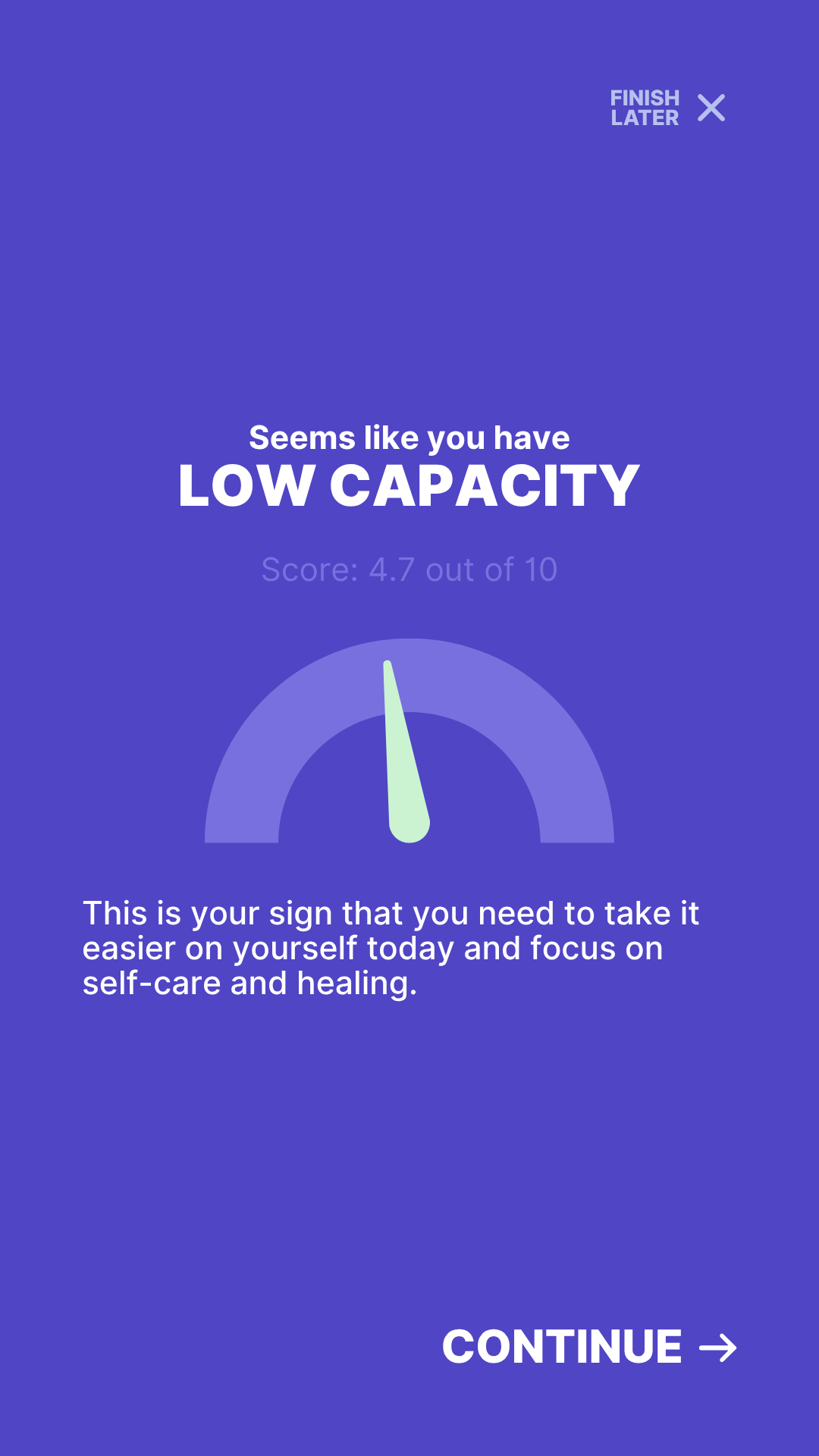
FunctionalMe helps users measure and adapt their capacity instead of forcing productivity. Every feature is designed to support awareness, reduce shame, and build self-compassion.
Capacity Measurement
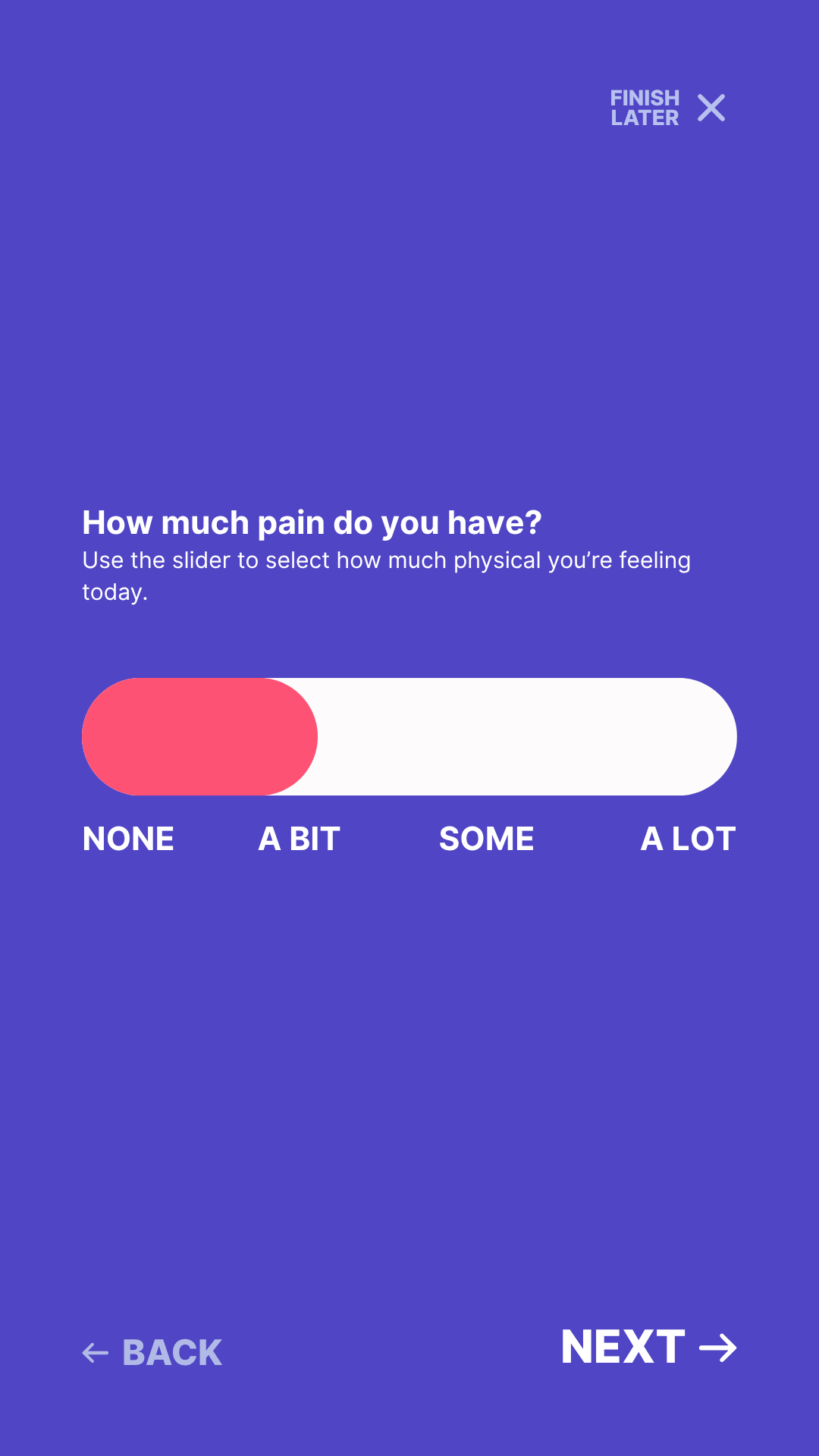
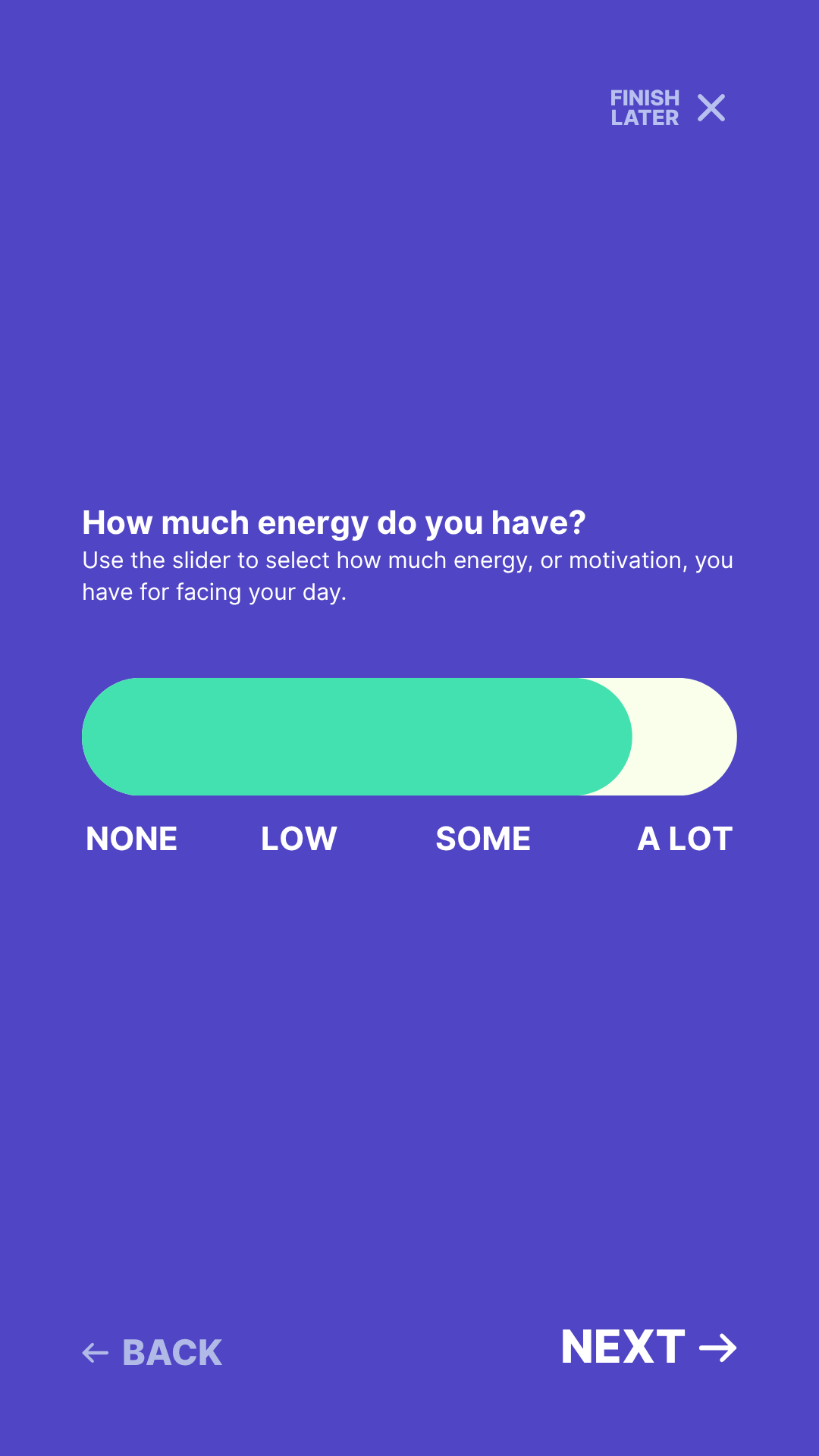
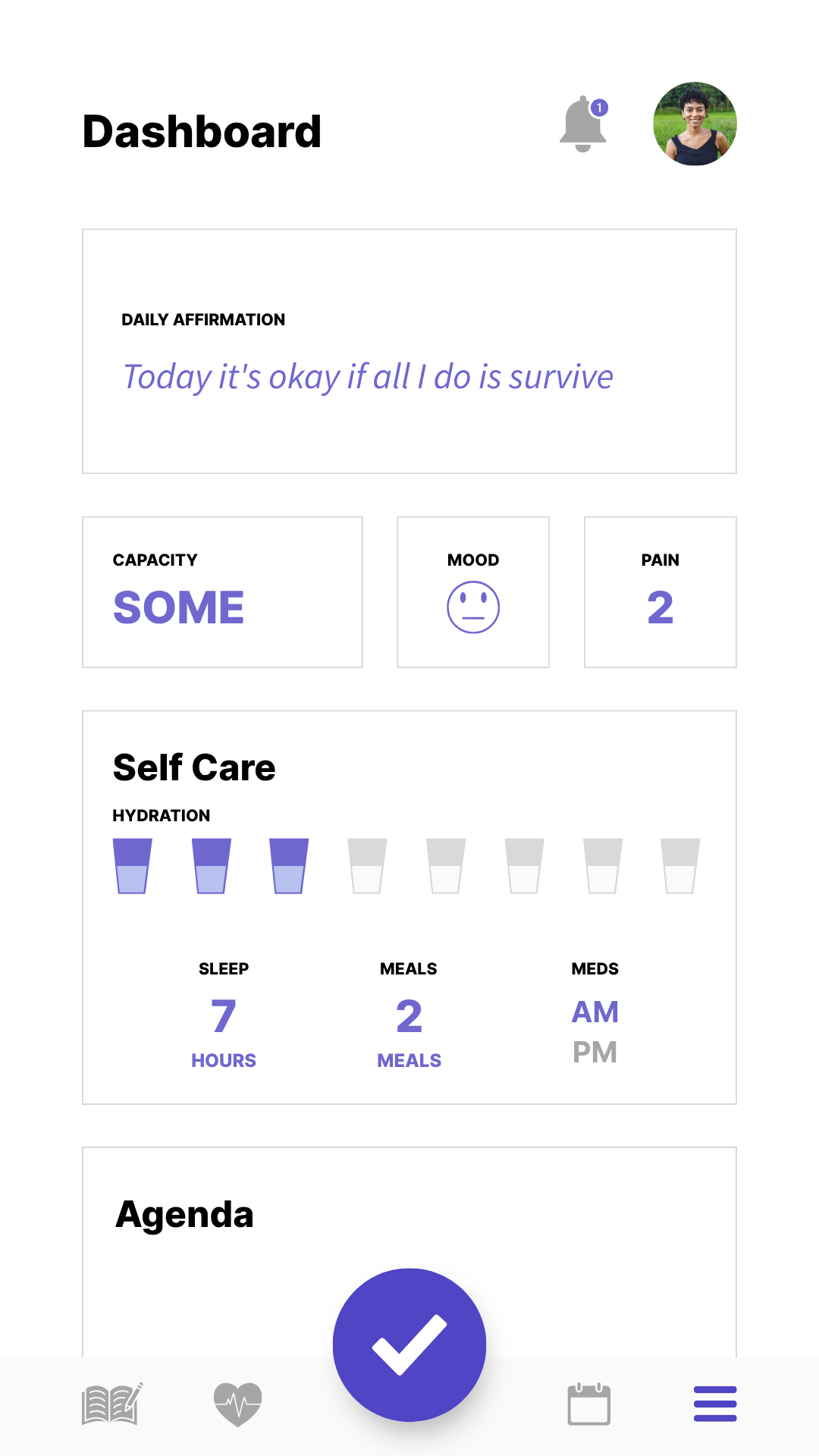
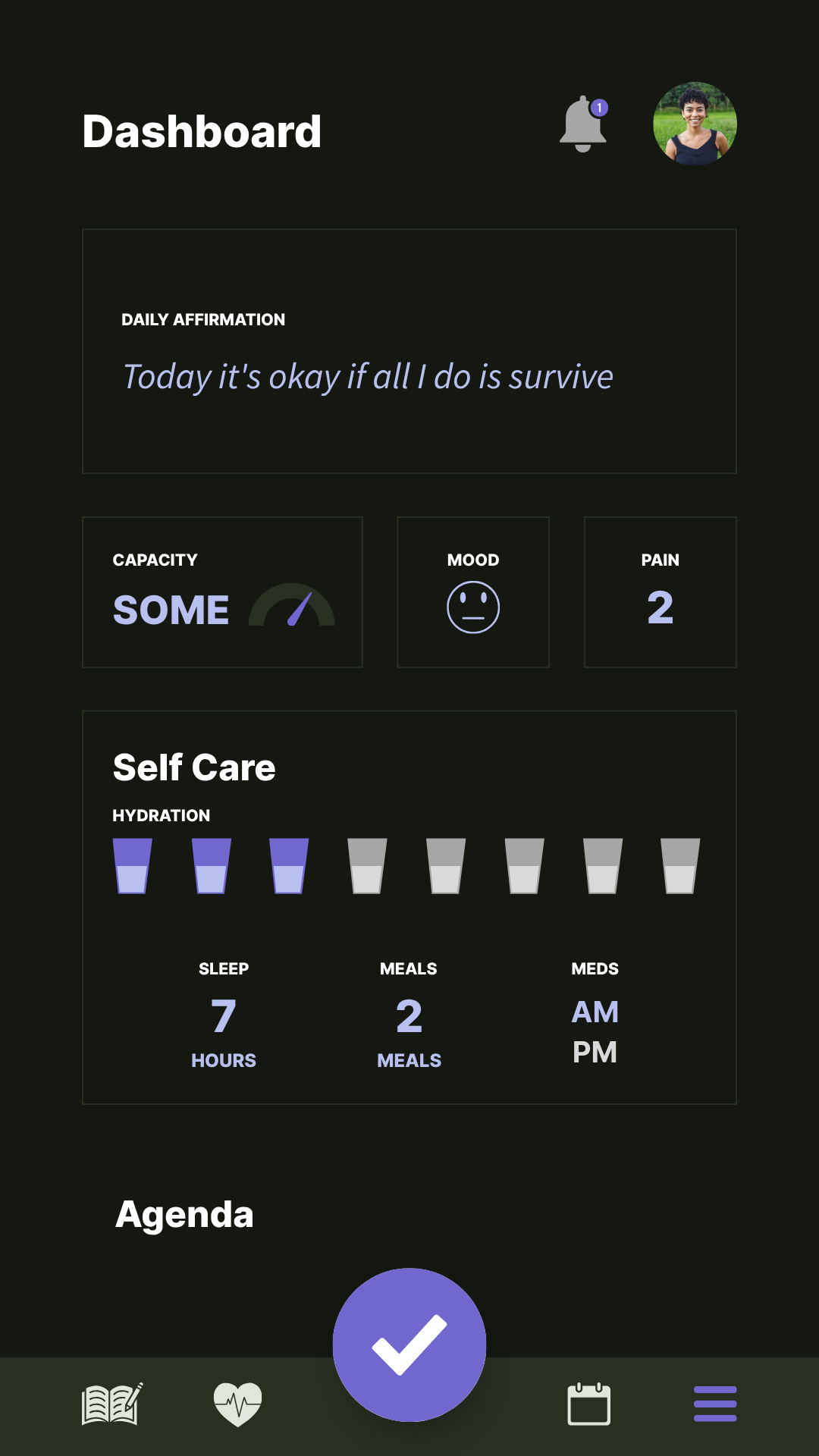
Tracks mood, pain, energy, hydration, meals, medication, and daily reflections to estimate capacity. Future updates will include medical, social, and identity-based factors that shape functioning.
Adaptive Routines
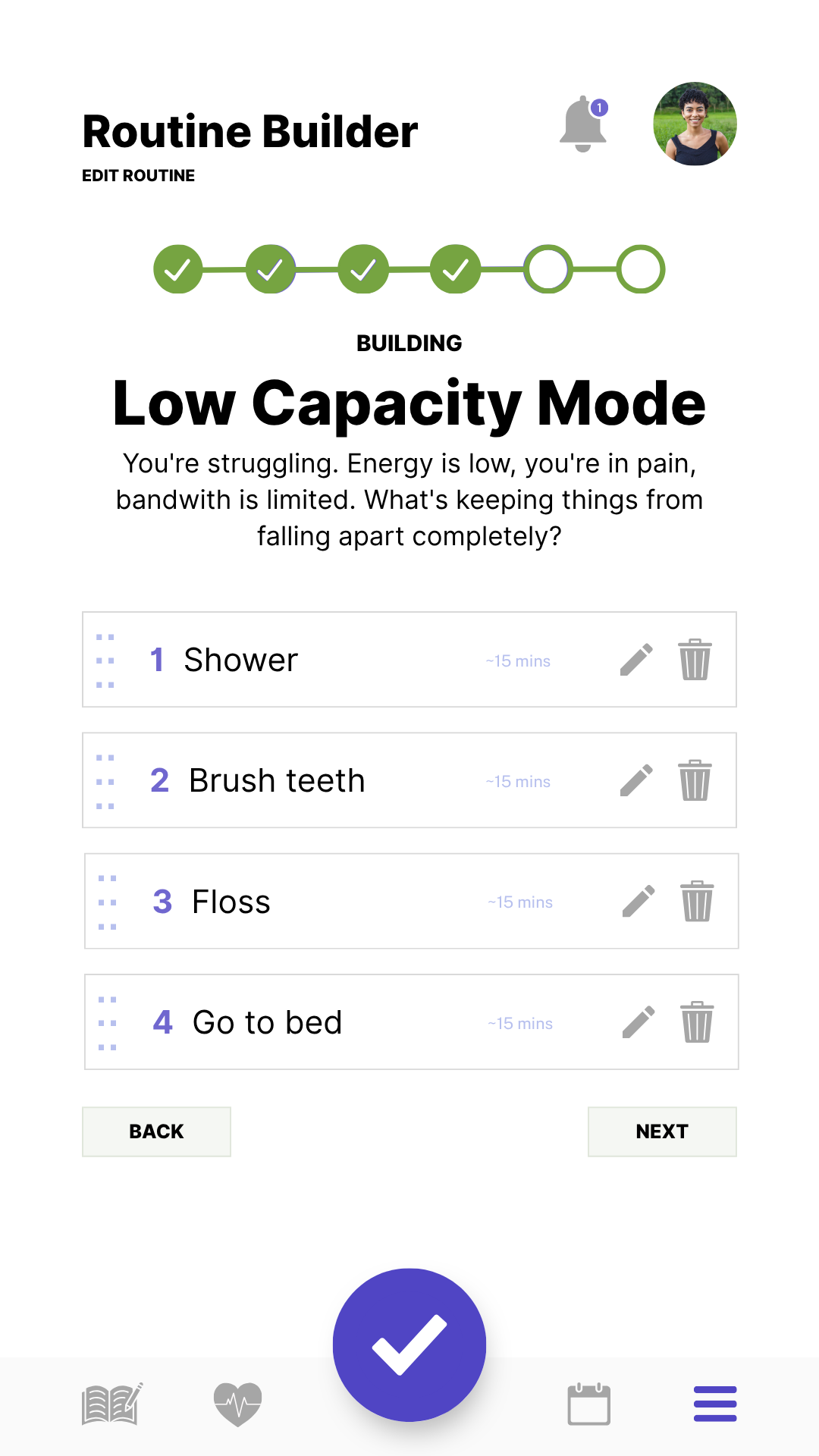
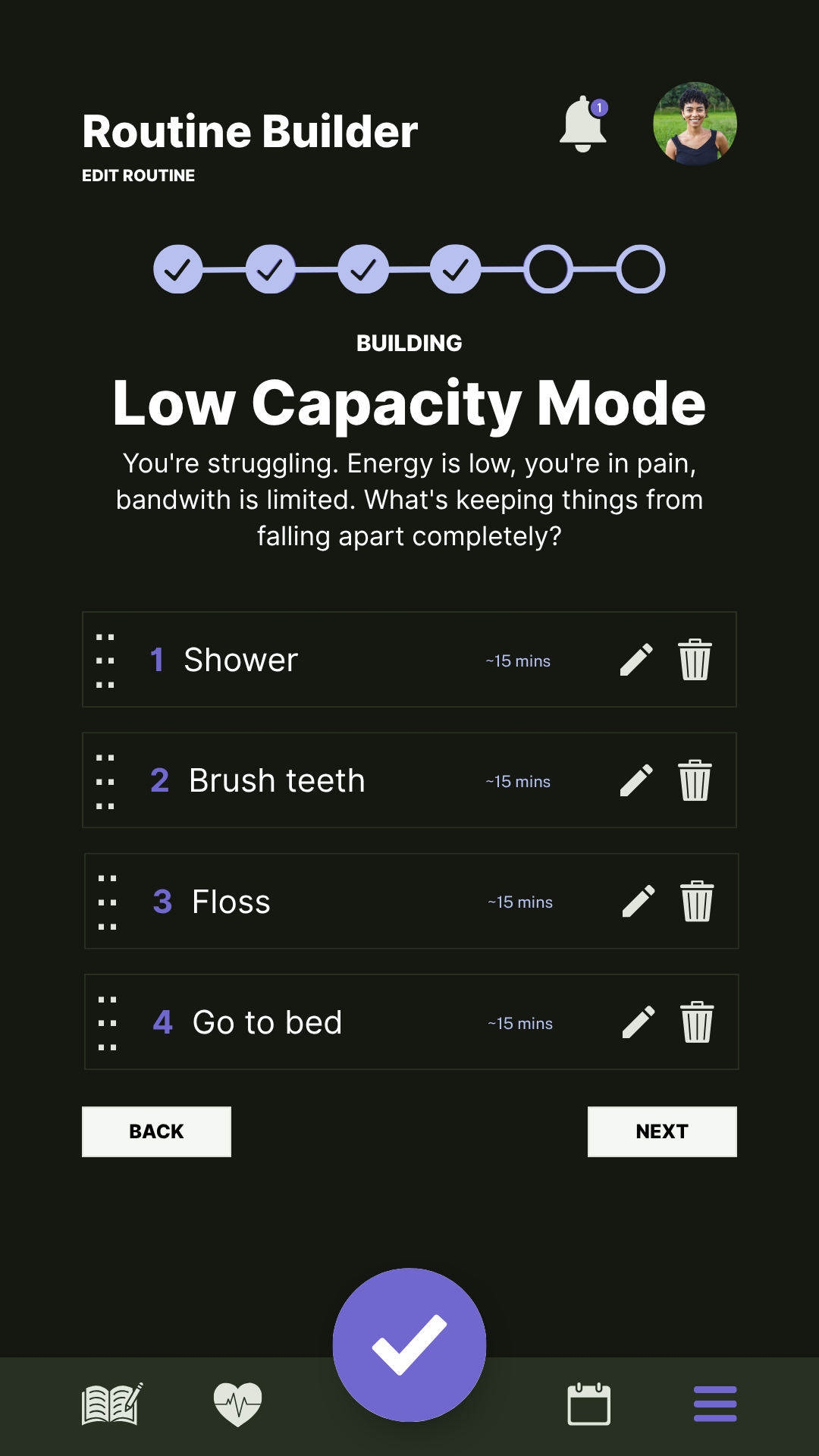
Users create flexible routines that adjust to high, some, low, or survival mode days. The app reshapes tasks around current capacity and recommends when to rest or reschedule.
Guided Check-Ins
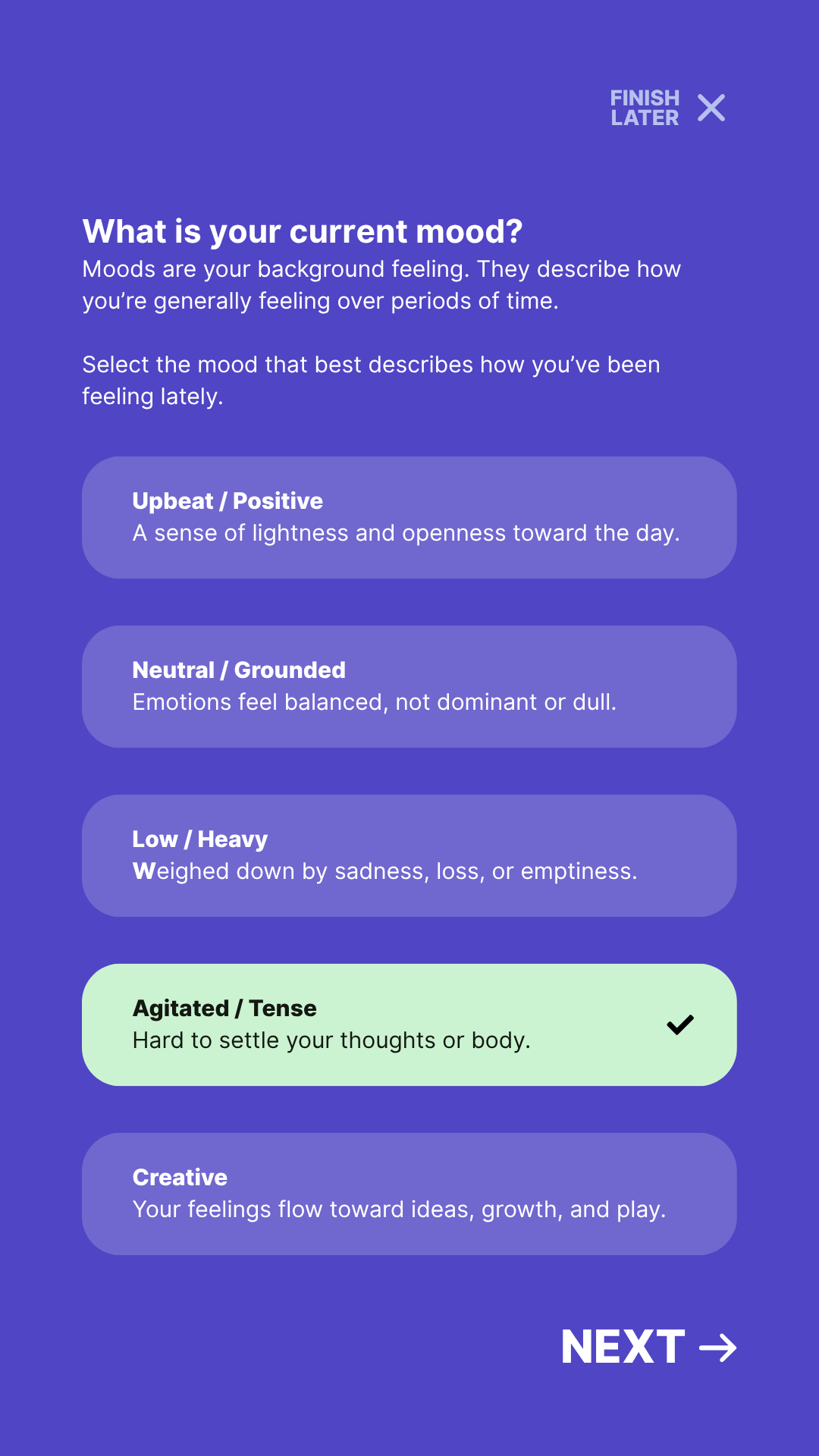
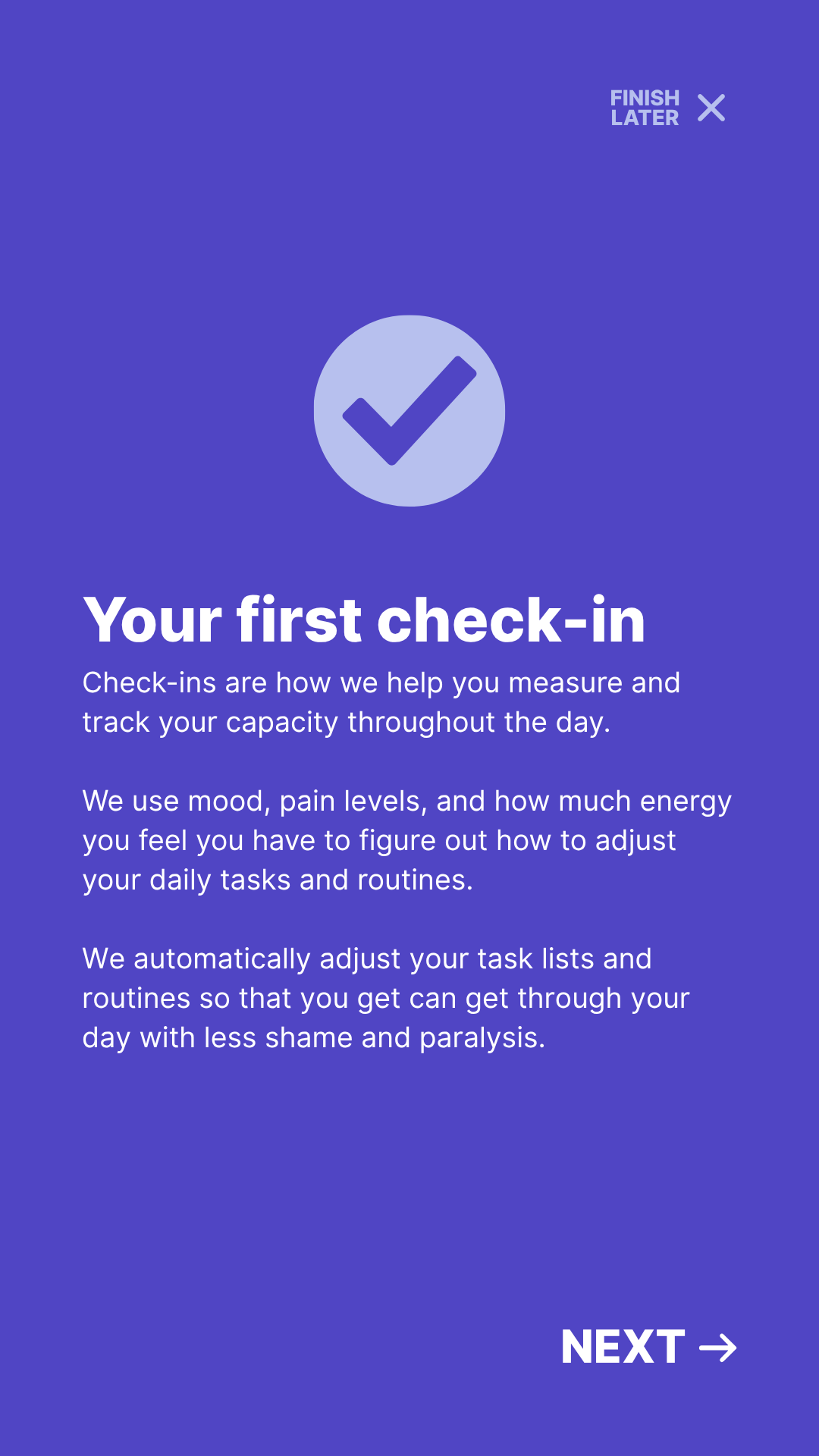
Simple daily prompts track mood, emotions, pain, and motivation. Morning check-ins include intentions, dreams, and optional goals.
Self-Care SOS
In moments of distress, the app helps users choose effective coping skills from their own list of warning signs and supports. It focuses on safety and self-awareness, not judgment.
Health Tracking
Logs meals, hydration, medications, and vital signs to help connect physical and mental wellness. Future versions will offer adaptive recommendations.
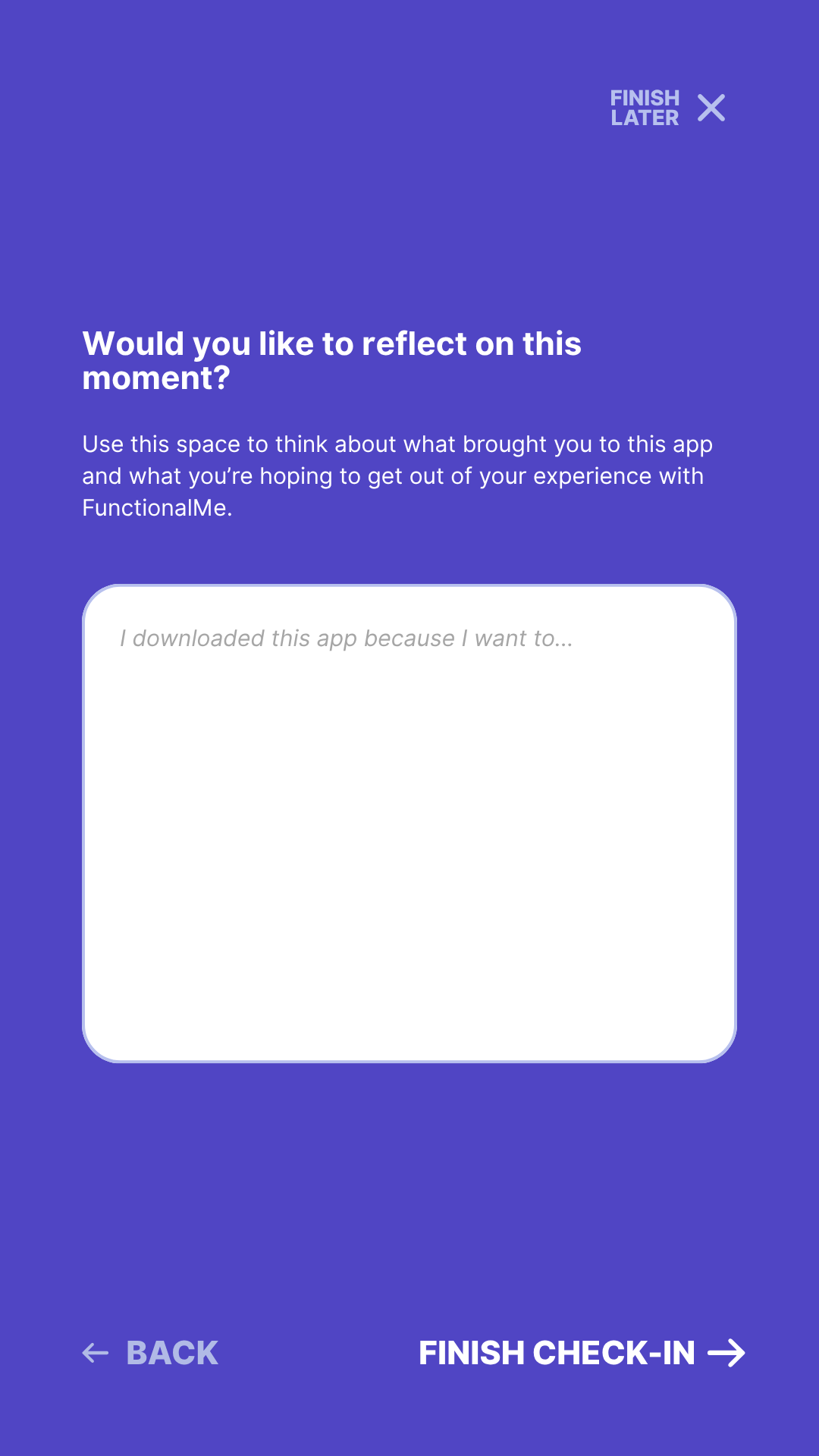
Journaling and Reflection
Provides space for users to process their experiences. Planned updates will use machine learning AI to identify thinking patterns and generative AI to suggest reframes that build insight and resilience.
Limitations
FunctionalMe is still in an experimental stage and has not yet been tested. Because of that, every feature should be treated as a prototype, not a proven intervention. Some ideas that sound promising could have unintended consequences or worsen symptoms for certain users. There are also mental health conditions that may respond unpredictably to how some features are designed. Extreme care is needed before this app can be made widely available or represented as a treatment tool.
A central concern is interpretation. The capacity calculation is meant to inform, not define, the user’s choices. If a user sees a “low capacity” rating and interprets it as a reason to avoid friends or skip daily care, the feature would be doing harm. The goal is to help users respond with self-compassion, not withdrawal: “I have low capacity today, so I need to rest or focus on recovery,” rather than “I can’t function today.” Testing and feedback will be essential to make sure that distinction stays clear.
The app has also not been tested for adherence or continuity of use. There are still bugs in the code that affect calculations and data handling. If features fail or don’t feel meaningful, users may lose interest or trust, which could distort any future research findings.
Not every user will be suited for every feature. People with eating disorders may find meal tracking harmful. Substance users may need more specialized harm reduction support than the app can currently provide. One planned feature is an adaptive system that can toggle certain functions based on self-reported conditions, but that raises ethical questions about fairness, privacy, and unintended bias. These challenges will require careful study and consultation with professionals before public release.
FunctionalMe is being developed with humility and caution. Its potential is significant, but so are the risks if it is applied without care.
Alpha Test
The alpha testing phase will focus on safety, stability, and usability. I plan to use an application form followed by an interview to select participants, and I will be highly selective about who joins. All potential testers will complete standardized assessments such as the DASS-Y and PAI to confirm that they meet inclusion criteria and do not fall within the exclusion range.
Inclusion Criteria
Participants will be adults aged 28 or older who have mild to moderate ADHD, mild ASD or AuDHD, mild to moderate anxiety, mild to moderate depression, or CPTSD/PTSD in remission. Individuals with chronic illnesses such as EDS or lupus may also qualify. Testers must self-identify as people who could benefit from the app, use it consistently, and be able to report bugs or provide feedback on how features function. Participants should experience some impairment to daily living, but not to the degree that it prevents reliable engagement.
Exclusion Criteria
Individuals with any personality disorder, a suicide attempt within the last five years, a diagnosed substance use disorder within the last ten years, or a traumatic brain injury within the last five years will be excluded. Other exclusions include severe ASD, active psychotic or schizophrenia spectrum disorders, severe anxiety or depression, an extreme lack of ADL functioning, being under 25 years old, or currently being in an abusive relationship.
Justification
The goal of the alpha test is to confirm that the app’s features function as intended for users with mild to moderate challenges. This initial phase is not about treatment outcomes; it is about technical reliability and the prevention of harm. By starting with participants who have stable support systems and moderate levels of functioning, I can identify whether any features produce unexpected or harmful effects without placing vulnerable users at risk.
I also want to avoid confusion between a software issue and a symptom of psychopathology. Limiting the scope of the first group ensures that any problems identified can be attributed to the app itself, not to uncontrolled clinical variables. Once the alpha phase confirms basic safety and performance, beta testing will expand to include specific populations and conditions with closer supervision and ethical oversight.
Anticipated Impact
The primary goal of FunctionalMe is to help people improve self-regulation, self-awareness, and the ability to accurately predict success. When people can see their own patterns clearly, they make better choices about rest, effort, and care. I want users to feel more confident and less ashamed. Over time, the hope is that FunctionalMe will support reduced symptoms, stronger self-care habits, and improved executive functioning.
At the same time, FunctionalMe could strengthen relationships between clients and care providers. By collecting consistent, real-time data, the app can help providers understand their clients’ capacity and progress more accurately than they can through conversation or memory alone. That information could make treatment more collaborative and responsive, rather than prescriptive or reactive.
While the early focus is on individual growth, the long-term potential reaches far beyond that. Widespread use of FunctionalMe could help shape diagnostic and policy frameworks by offering better data on how people experience distress and recovery in daily life. This might help identify differential diagnoses earlier, reduce inappropriate advertising targeting vulnerable users, and relieve pressure on overloaded care systems by providing support to people with mild to moderate needs who still deserve validation and structure.
For my own work, the insights from FunctionalMe will guide future research into how microbehaviors contribute to and predict psychopathology. Understanding these subtle behavioral patterns could open the door to new treatment options and more holistic approaches to mental health and human services design.
Screenshot Gallery