
“Oh shit,” I mutter to myself as my tires hydroplane through a lake that’s unexpectedly sprung up in the left side of the lane on the Pike. I immediately think of my partner, Reid, and how many times he’s told me that punctuality isn’t worth getting myself killed over.
I manage to live through the ordeal, but I’m shaken, so I pull off at the next rest stop to do some emergency self care.
My body always sets the terms
I woke up that morning with a partially dislocated shoulder and hip from sleeping on my side for too long. The thought of a shower or putting on a cute but complex outfit had been unappealing as I popped my joints back into place. Even thinking about brushing my teeth made me want to crawl back into bed. And I would have to crawl. The stiffness in a hypermobile joint is, quite possibly, one of the biggest mindfucks for me to deal with the moment I wake up.
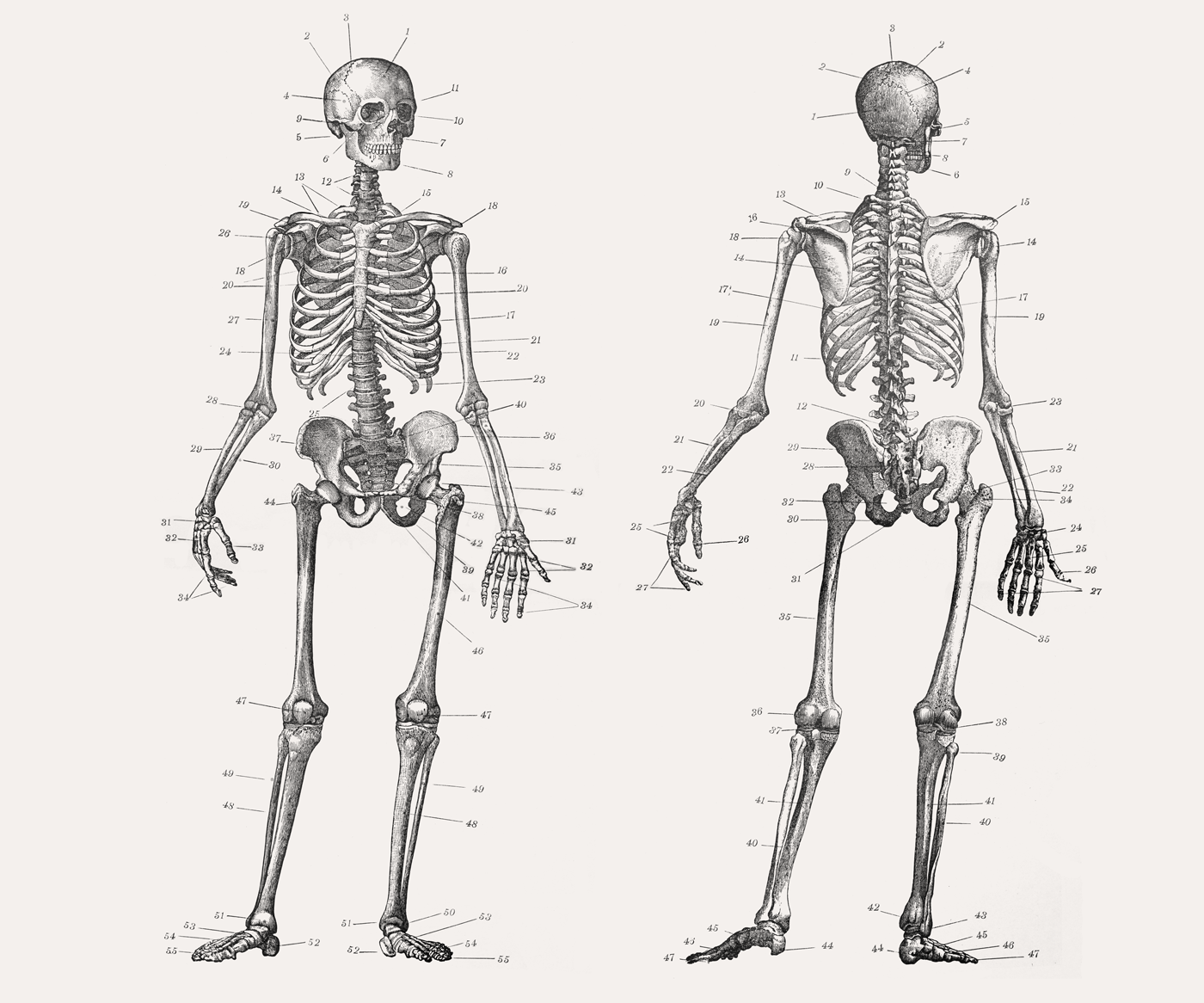
At least now I had a name for the mindfuck: Ehlers Danlos Syndrome. That morning, like roughly one third of all my mornings, I was going to have to adjust everything around my pain, fatigue, and elasticity.
I’m going to be late for class no matter what. A torrential rain is coming down and I’ve already been slowed down by two accidents. A third accident awaits me just before my exit. The question now is, did I want to be five minutes late and hangry and in pain, or fifteen minutes late and just in pain? I opt for the latter.
Inside the Gulf Express, I grab some sustenance for my morning. A cup of olives, a pack of some kind of shelf-stable smoothie, two hard boiled eggs, a bottle of water. I don’t know why this costs $16, but it does. The eggs are the hardest to eat while driving, so I scarf those down before starting my car and merging back onto the highway.
The elevator is out of service when I get to the Suprenant building. Class is on the third floor. Great. Just what I need on a day where my body has been maxed out since seven in the morning. I grit my teeth and focus on looking at the stairs and keeping my knees and hips as stable as possible while I make my climb. When I get to the door of my class, I notice that the professor looks different. Like, really different. A completely different race and gender. I look at the room number and realize I went up an extra flight of stairs.
I gasp out an apology when I finally make it to the right classroom. I’m winded, sore, and eighteen minutes late for a class where we’re about to discuss fitness for the human services profession. Punctuality is literally the top line item on the assessment. Stamina is only a few lines down. Tears sting in my eyes and I blink them back. This is one part of the assessment I may never be able to fully control for myself and it frustrates me to no end.
But my mind decides how much I'm limited
With a more reliable body, I would have no problem demonstrating fitness for the profession. Even with my ADHD and auditory processing disorder, or maybe because of them, I’ve managed to develop superb active listening skills.
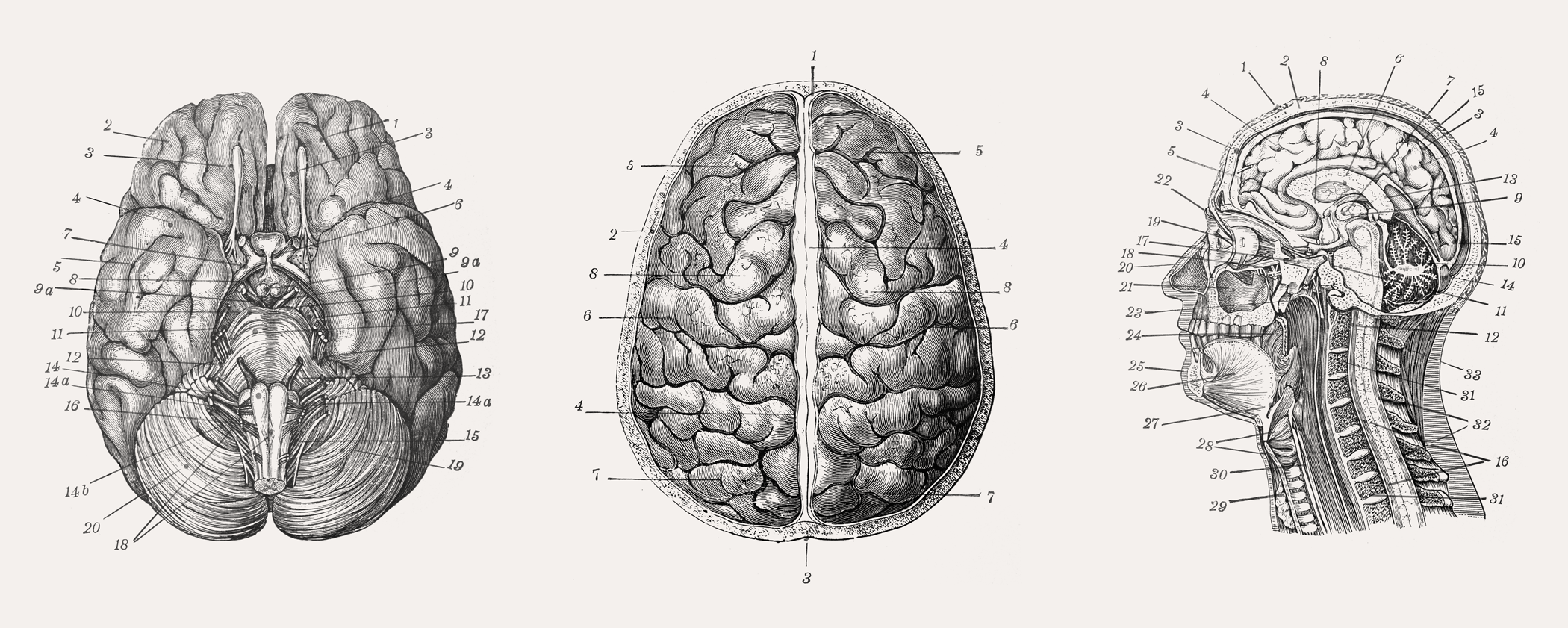
Given a choice between getting comfortable asking people to repeat information for me or living in a perpetual state of unwanted ignorance, I chose to swallow my pride and humiliation and just tell people why I needed to hear something again. It turned out to be an invaluable skill later even if it was something that I developed to survive an abusive and chaotic childhood.
Said childhood was, largely, the reason I was so passionate about doing the work to begin with. I grew up in foster care and aged out of a system that barely supported me while I was in it and completely evaporated when I was nineteen years old. Back then, I never thought I’d have my life together enough to help others, but somehow I managed to get there before I turned forty.
You’re doing that math right. It took almost half my lifetime to recover from the trauma of the first half of my lifetime. For my fellow math nerds, it’s one way to quantify how inefficient it is to inflict trauma on a developing mind than to just let it do its thing and develop in relative peace.
I bootstrapped a self-taught career in marketing and software engineering through my twenties. I learned how to lead and manage projects and budgets effectively. Working remotely in front of a screen allowed me to be dependable in ways I couldn’t be physically. It was unfulfilling work, though. I still felt a call to help others in ways that were more meaningful and challenging than making annual report PDFs look pretty.
If I could transfer some of those corporate and entrepreneurial skills into helping others, I’d probably be able to do some real good in the world.
My experiences as a foster kid receiving terribly implemented human services is part of what helps me understand how to provide better services to others. I understand how the system failed me and how certain words induced unnecessary shame instead of motivation. Labels in all forms had obfuscated the human I was underneath the diagnoses, incident reports, and judgment. It taught me how to see the human in other people before the problem.
And yet, I still have ADHD and an auditory processing disorder. I do occasionally lose focus when I’m trying to listen. Or worse, tune out before I catch myself if I’m dealing with someone who has certain political views or is going on an ignorant rant about something that enrages my inner social justice warrior.
It might be a great way to deal with certain people in private or professional or academic settings, but not every participant sees the irony in supporting the conservatives who don’t want to see them get help.
Having access to the education I’ve had is one way that my privilege manifests itself. Not everyone who grows up in perpetual crisis is set on an academic path. And political differences are just valid in general. It’s not for my to judge when it comes to the people I serve. So it’s a habit I’m in the process of breaking, or at least adjusting, in specific contexts.
Intent vs expectation for understanding
A little over ten years ago, I developed my own personal guideline for communicating effectively and compassionately. I do my best to communicate with the intent to be understood, not the expectation that I will be understood. I listen with the intent to understand, not the expectation that I’ll understand. This simple reframe has helped me shed my ego and become better at managing my internal noise so that I can really hear what someone else is trying to communicate to me.
Expectations for understanding are honestly the biggest killers of understanding. When you expect to be understood, and you aren’t, you’re going to get frustrated. Or you’re going to shut down. But if you intend to be understood, you’ve got some wiggle room. It’s the same for understanding others. When you expect to understand someone else and don’t, you’ll end up blaming them for being a poor communicator instead of making the effort to figure out what you might be missing as a listener.
Falling short of my own self-imposed guideline is inevitable, so I’ve gotten good at humbling myself and reflecting on how I can be better. I also have a personal policy of radical accountability that keeps me in check whenever I’m not living up to the standard I want to set for myself.
But it’s intellectually and physically draining work. I get stressed and fatigued and burnt out a little quicker just because my musculoskeletal system is designed like a handful of Lego bricks trapped inside Newtonian fluids. Holding myself to high standards on top of that? Bad days can get really bad and turn into bad weeks if I’m not taking care of myself.
Giving myself permission to be realistic
Our self care is essential to participant safety
That’s what people need when they’re in crisis. They don’t need some magical combination of words to unlock them or complex and expensive treatment to heal them. They need humans to show up for them, reliably, and help them access the potential within themselves. They need someone who can help remove the barriers that trap them in suffering and despair. You can’t do that if you’re trapped in your own stress and burn out.
When you don’t show up, you can really mess with someone’s life. Someone who needed you to put through a referral for emergency housing so that they could get away from domestic violence. Someone who needed a way to feed their children until their SNAP benefits were funded.
Someone who needed to hear from another human that they brought value to the world just by existing so that they could step away from a ledge.
I’ve learned that control is overrated. The best I can do is stay steady, keep both hands on the wheel, and keep showing up. If I need fifteen extra minutes to do physical therapy exercises to keep my body from falling apart on the job but also woke up twenty minutes late because my joints wandered in the night, I’ll take that time out of a full shower and rub my teeth down with one of those single-use toothbrushes on the drive in.
If I have to take an extra five minutes to ground myself so that I can really listen to someone in pain or hear out a colleague who needs help with one of their cases, I’m going to keep my earbuds in the pocket of my hoodie all day so that I can meditate anywhere.
Someone’s safety could depend on it.

Resources
I put together a list of resources for my readers. They are direct links. I do not receive any revenue if you click. I am just sharing what has been helpful for me.
- Ehlers Danlos Society – learn more about EDS and how to get a diagnosis if you suspect you may have it.
- Headspace Meditation App – find guided meditations to help you learn to clear your mind. They offer a plan for students that’s just $10/year.
- National Organization for Human Services (NOHS) – learn more about ethical standards for human services practitioners, which includes a duty to adequate self care.
- Trauma Informed Care Implementation – explore how trauma-informed care can dramatically improve outcomes for participants.
- National Association of Social Workers – also mentions self care is a foundation of ethical practice.